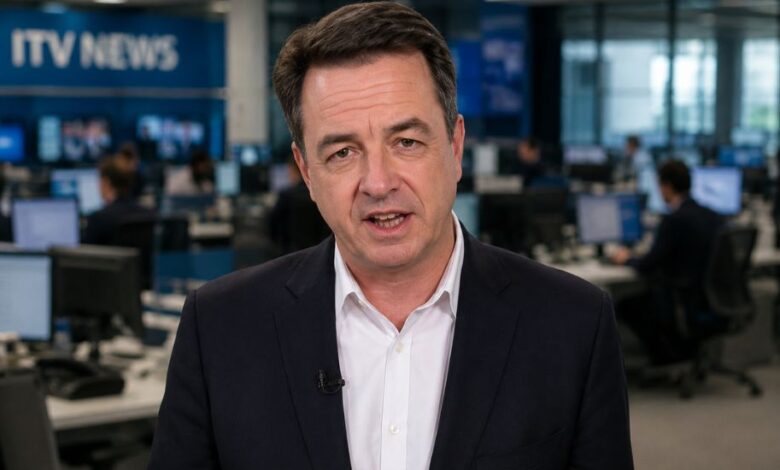
For decades, John Irvine has been recognized as one of the most respected television journalists in the United Kingdom. Known for his calm reporting style, international conflict coverage, and decades of frontline journalism, Irvine has built a strong reputation through his work with ITV News and ITN. From reporting during The Troubles in Northern Ireland to covering wars in Iraq and major world events, his journalism career reflects experience, professionalism, and courage.
Readers searching for “John Irvine Biography” or “John Irvine journalist career” often want to know more about his background, broadcasting journey, and achievements. Here is a detailed look at the life and career of the veteran reporter.
Quick Bio Table
| Full Name | John Irvine |
|---|---|
| Profession | Journalist, Television Correspondent |
| Nationality | British |
| Birthplace | Belfast, Northern Ireland |
| Education | Campbell College |
| Known For | ITV News Correspondent |
| Employer | ITN / ITV News |
| Career Start | Early 1980s |
| Specialty | War & International Reporting |
| Notable Regions Covered | Middle East, Iraq, Asia, United States |
| Awards | RTS Journalist of the Year |
Early Life and Background
John Irvine was born and raised in Belfast, Northern Ireland. Growing up during a politically tense period in Irish history had a major influence on his perspective and eventually his journalism career. Belfast during those years was heavily affected by conflict and unrest, which later helped shape Irvine’s understanding of international reporting and crisis journalism.
He attended Campbell College, a well-known school in Belfast. Although he has openly admitted that academics were not initially his strongest area, Irvine eventually discovered his interest in journalism and storytelling. His passion for current affairs and reporting pushed him toward a media career.
Unlike many modern journalists who enter broadcasting through digital media or university television programs, Irvine started from traditional newspaper reporting. This gave him a strong foundation in investigative work, field reporting, and news writing.
Beginning of John Irvine’s Journalist Career
John Irvine began his professional journalism career in the early 1980s. One of his first roles was working for the Tyrone Constitution newspaper in Omagh. The position may have been small compared to the international assignments he later received, but it helped him gain practical newsroom experience.
Working in local journalism allowed Irvine to develop important reporting skills, including interviewing, research, deadline writing, and understanding how news impacts ordinary communities. These early years became the building blocks for his future success in television journalism.
In 1987, Irvine joined UTV in Belfast. His move into broadcast journalism came during one of the most difficult periods in Northern Irish history. Reporting from Belfast required bravery and professionalism because journalists regularly covered violence, bombings, and political instability connected to The Troubles.
During this time, Irvine reported on several significant incidents and became recognized for his ability to remain composed under pressure. His calm delivery and factual reporting style quickly earned him respect in the industry.
Joining ITN and ITV News
A major turning point in John Irvine’s career came in 1994 when he joined ITN, one of Britain’s leading television news organizations. Initially working behind the scenes as a producer, Irvine later transitioned into a correspondent role.
By 1996, he had become Ireland Correspondent for ITV News. This role placed him at the center of many important political and social stories connected to Northern Ireland and the peace process.
As Ireland Correspondent, Irvine covered major developments including political negotiations, bomb attacks, and ongoing tensions between communities. His firsthand experience of Northern Ireland gave depth and credibility to his reporting.
Many viewers appreciated Irvine’s balanced approach to journalism. Rather than sensationalizing events, he focused on accurate information and human impact. This reporting style became a defining feature of his long career.
International Reporting and War Coverage
John Irvine is perhaps best known internationally for his conflict and war reporting. In 2001, he became ITV’s Middle East Correspondent based in Jerusalem. This role marked the beginning of a major international chapter in his journalism career.
The Middle East assignment placed Irvine in one of the world’s most politically sensitive regions. He extensively covered the Israeli-Palestinian conflict and reported on violence, diplomacy, military actions, and humanitarian issues.
His work gained even greater recognition during the Iraq War in 2003. Reporting from Baghdad during wartime required extraordinary courage. Irvine delivered detailed frontline coverage while operating in dangerous and unpredictable conditions.
Unlike studio-based reporting, Irvine’s journalism involved direct exposure to conflict zones. His reports often provided viewers with real-time updates from areas experiencing active military operations.
Because of his exceptional work during the Iraq conflict, he received the prestigious Royal Television Society Journalist of the Year award in 2003. The recognition highlighted both his reporting skills and commitment to accurate journalism under extreme circumstances.
Reporting Across the World
Following his Middle East coverage, John Irvine continued taking on major international assignments. ITV later appointed him Asia Correspondent based in Bangkok. During this period, he covered political developments, natural disasters, and regional conflicts across Asia.
His international work included reporting from countries affected by political instability, humanitarian crises, and environmental disasters. Irvine became known for explaining complex global issues in a clear and understandable way for television audiences.
Another important chapter in his career came when he became Washington Correspondent for ITV News in the United States. Reporting from Washington placed him at the center of American politics and international diplomacy.
During his time in the U.S., Irvine covered presidential elections, White House developments, foreign policy debates, and breaking international news connected to America’s global role.
His ability to transition smoothly between conflict reporting and political journalism demonstrated his versatility as a correspondent.
Surviving the 2004 Tsunami
One of the most personal and dramatic moments in John Irvine’s life occurred during the 2004 Indian Ocean tsunami. Irvine and his family were vacationing in Phuket, Thailand, when the devastating tsunami struck.
The disaster killed hundreds of thousands of people across multiple countries and became one of the deadliest natural catastrophes in modern history. Irvine and his family survived the event, although the experience deeply affected him personally.
The incident gave him a firsthand understanding of survival, trauma, and the human cost of natural disasters. As a journalist who had spent years reporting on tragedy affecting others, the tsunami brought those realities directly into his own life.
Journalism Style and Reputation
Throughout his long career, John Irvine has earned respect for several important qualities:
Calm Reporting Style
Even in dangerous situations, Irvine is known for remaining composed and professional. His delivery avoids unnecessary drama while still communicating the seriousness of events.
Frontline Experience
Unlike journalists who primarily work from studios, Irvine built his reputation through field reporting. He has reported from war zones, political hotspots, and disaster areas around the world.
Balanced Journalism
Many viewers and media professionals appreciate Irvine’s balanced reporting approach. He focuses on factual storytelling rather than sensationalism.
International Expertise
His decades of global reporting have made him highly knowledgeable about international politics, military conflicts, and diplomatic affairs.
Because of these qualities, Irvine became one of ITV News’ most trusted correspondents.
Personal Life
John Irvine generally keeps his personal life private despite his public career. However, it is known that he is married and has children. His family has supported him throughout a demanding journalism career that often required travel to dangerous locations.
In interviews, Irvine has occasionally spoken about the emotional challenges that international reporting places on journalists and their families. War reporting especially involves personal risk, long absences, and emotional pressure.
Despite these challenges, he continued working in frontline journalism for many years and maintained a strong reputation within British broadcasting.
Legacy in Broadcast Journalism
John Irvine’s journalism career spans several decades and includes coverage of some of the most important global events of modern times. From Northern Ireland to Iraq, from Asia to Washington, his reporting has informed millions of viewers worldwide.
His work represents a traditional form of journalism built on field experience, factual reporting, and professional integrity. Younger journalists entering international broadcasting often view correspondents like Irvine as examples of dedicated frontline reporting.
In an era increasingly influenced by social media and rapid news cycles, Irvine’s careful and experienced reporting style continues to stand out.
As interest in “John Irvine Biography” and “John Irvine journalist career” continues growing online, many people remain curious about the veteran ITV correspondent whose reports became familiar to audiences across the UK and beyond.
At Market Brizz, readers continue exploring detailed biographies and career stories of notable journalists, media personalities, and international correspondents from around the world.
You may also read: Gordon Honeycombe Biography, Books, Career and Cause of Death