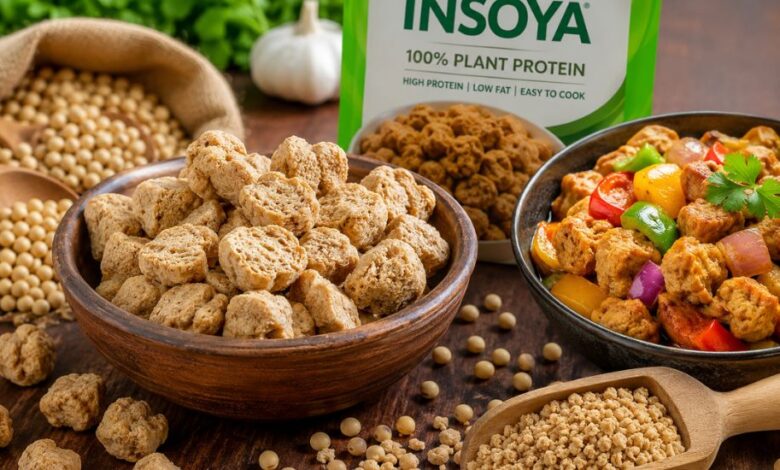
As plant-based nutrition continues to grow worldwide, products like insoya are gaining attention among health-conscious consumers, fitness enthusiasts, and people searching for affordable protein alternatives. Insoya is widely discussed as a processed soy-based food product designed to deliver high protein, easy preparation, and versatility in everyday meals. Whether used in curries, vegan burgers, soups, or protein bowls, insoya has become part of the modern movement toward healthier and more sustainable eating habits.
Unlike traditional soybeans that often require soaking and lengthy cooking, insoya products are typically processed into chunks, granules, or powder for convenience. Their ability to absorb flavors and mimic the texture of meat makes them increasingly popular among vegetarians and flexitarians alike.
Quick Bio Table: Insoya
| Topic | Details |
|---|---|
| Name | Insoya |
| Type | Soy-Based Protein Product |
| Category | Plant-Based Food |
| Main Ingredient | Processed Soy Protein |
| Common Forms | Chunks, Granules, Powder |
| Popular Among | Vegans, Vegetarians, Fitness Enthusiasts |
| Key Benefit | High Protein Content |
| Uses | Curries, Burgers, Stir-Fries, Soups |
| Cooking Time | Quick and Easy |
| Shelf Life | Long Shelf Stability |
What Is Insoya?
Insoya is generally described as a modern soy-derived food product created to provide a convenient and protein-rich alternative to meat. It is commonly associated with textured soy protein or textured vegetable protein (TVP), which is made by processing soy flour after the oil has been removed from soybeans.
The product is designed to fit modern dietary trends where people want healthier meals without sacrificing nutrition or taste. Insoya is especially appealing because it combines affordability, convenience, and versatility in one ingredient.
Many food blogs and nutrition discussions describe insoya as a practical option for individuals trying to reduce meat consumption while maintaining adequate protein intake. Its popularity has increased alongside the global rise of vegan and plant-based diets.
How Insoya Is Made
The production of insoya usually involves several important stages. First, soybeans are cleaned and processed to remove oil. The remaining soy flour is then subjected to heat and pressure through an extrusion process. This creates the fibrous texture that allows insoya to resemble meat when cooked.
After processing, the product is dried and shaped into chunks, granules, or flakes. Some manufacturers may use fermentation or advanced food-processing techniques to improve digestion and flavor.
This manufacturing process gives insoya several practical benefits:
- Longer shelf life
- Faster cooking time
- Better flavor absorption
- Meat-like texture
- Easy storage and transportation
Because it is dried, insoya can be stored for long periods without refrigeration, making it a reliable pantry ingredient.
Nutritional Value of Insoya
One of the biggest reasons behind the growing popularity of insoya is its strong nutritional profile. It is frequently promoted as a high-protein food source suitable for both active individuals and people following plant-based diets.
High Protein Content
Protein is the standout feature of insoya. Soy protein is considered a complete protein because it contains all essential amino acids required by the human body. This makes it especially valuable for vegetarians and vegans who may struggle to find complete plant proteins.
Low in Saturated Fat
Compared to many meat products, insoya generally contains less saturated fat. This can make it an appealing option for people trying to maintain heart health or reduce unhealthy fat intake.
Rich in Minerals
Depending on the processing and fortification methods, insoya may contain:
- Iron
- Calcium
- Magnesium
- Potassium
- Zinc
Some versions are also fortified with Vitamin B12, which is important for individuals following vegan diets.
Fiber Content
Insoya products may contain moderate levels of dietary fiber, which supports digestion and can contribute to feelings of fullness after meals.
Health Benefits of Insoya
Supports Muscle Growth and Recovery
Because of its protein concentration, insoya is often included in fitness-focused diets. Protein plays a major role in muscle repair and growth, making insoya useful for athletes, gym-goers, and active individuals.
Helps With Weight Management
High-protein foods are known to increase satiety, helping people feel full for longer periods. This may reduce unnecessary snacking and overeating, making insoya useful in balanced weight-loss plans.
May Support Heart Health
Soy-based foods are frequently linked with heart-friendly eating patterns. Replacing fatty meats with plant-based protein sources like insoya may help reduce cholesterol intake and support overall cardiovascular wellness.
Convenient for Busy Lifestyles
Modern consumers increasingly prefer foods that are quick to prepare. Insoya cooks much faster than traditional beans and can easily be added to multiple dishes, making it ideal for busy households.
Suitable for Plant-Based Diets
As vegan and vegetarian lifestyles become more mainstream, products like insoya provide an accessible way to meet nutritional needs without relying on animal products.
Insoya vs Traditional Soybeans
Although both come from soybeans, there are important differences between insoya and whole soybeans.
Preparation Time
Traditional soybeans usually require soaking and longer cooking periods. Insoya products, on the other hand, are designed for convenience and cook quickly.
Texture
Whole soybeans have a bean-like texture, while insoya products often mimic the texture of minced meat or chicken pieces.
Shelf Stability
Insoya is typically dried and packaged for long-term storage, making it easier to keep in the kitchen pantry.
Digestibility
Some processing methods used in insoya production may reduce anti-nutrients found in raw soybeans, potentially improving digestibility for some individuals.
Popular Ways to Use Insoya
One of the most attractive features of insoya is its flexibility in cooking. Because it absorbs flavors very well, it can be used in countless recipes.
Curries
In many households, insoya chunks are cooked in spicy curries where they absorb rich flavors and sauces.
Vegan Burgers
Granulated insoya is often used in plant-based burger patties as a protein-rich meat substitute.
Stir-Fries
Quick stir-fried vegetables combined with insoya create balanced and nutritious meals.
Soups and Stews
Insoya can add texture and protein to soups without requiring long cooking times.
Pasta Sauces
Many vegetarian pasta sauces use insoya granules instead of minced meat.
Protein Bowls
Fitness enthusiasts frequently include insoya in rice bowls, salads, and meal-prep containers.
Sustainability and Environmental Benefits
Environmental concerns are another major factor driving interest in products like insoya. Compared to meat production, soy-based protein alternatives generally require fewer natural resources.
Lower Carbon Footprint
Plant-based protein production usually generates fewer greenhouse gas emissions than livestock farming.
Reduced Water Usage
Growing soybeans for food often uses less water compared to raising animals for meat production.
Efficient Protein Production
Soy protein is considered one of the most efficient protein sources because it delivers high nutritional value with fewer environmental costs.
As sustainability becomes a larger global concern, consumers are increasingly choosing foods that align with environmentally conscious lifestyles.
Challenges and Criticism
Despite its benefits, insoya is not without criticism.
Processing Concerns
Some consumers prefer whole foods and may avoid highly processed ingredients. Since insoya undergoes industrial processing, some people question whether it is healthier than minimally processed plant foods.
Soy Allergies
Individuals with soy allergies cannot safely consume insoya products.
GMO Discussions
Some soy products may come from genetically modified soybeans, which remains a debated topic among consumers.
Flavor Preferences
While many people enjoy the texture and adaptability of insoya, others may still prefer the taste and texture of traditional meat products.
The Future of Insoya
The global plant-based food industry continues to grow rapidly, and insoya appears positioned to benefit from this trend. Rising awareness of health, sustainability, and affordable nutrition has created strong demand for protein alternatives.
Food manufacturers are also investing in improved processing technologies to create products with better taste, texture, and nutritional value. As innovation continues, insoya may become even more common in supermarkets and restaurants worldwide.
The increasing popularity of vegan diets, flexitarian lifestyles, and fitness-focused meal planning suggests that products like insoya will remain relevant in the years ahead.
Final Thoughts
Insoya represents the modern evolution of soy-based nutrition. Its combination of high protein, convenience, versatility, and sustainability has made it attractive to a wide range of consumers. Whether someone is looking for a meat alternative, a budget-friendly protein source, or a more environmentally conscious diet, insoya offers several advantages.
As awareness of plant-based eating continues to expand, insoya is likely to become even more visible in kitchens, food blogs, and nutrition discussions worldwide. For readers interested in health trends, sustainable living, and modern nutrition, platforms like Market Brizz continue to explore emerging food innovations shaping the future of global diets.