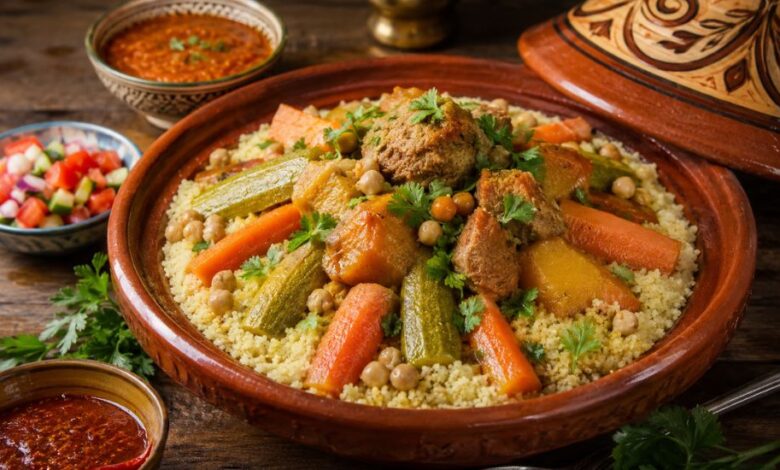
Food is often more than just nourishment—it reflects history, culture, and community. Among the many traditional dishes that have stood the test of time, Kouskousi holds a special place in North African cuisine. Known in many parts of the world as couscous, kouskousi is a beloved staple that has been enjoyed for centuries across countries such as Morocco, Algeria, Tunisia, Libya, and Mauritania.
Today, kouskousi has become popular far beyond its region of origin, appearing in restaurants, home kitchens, and international food festivals worldwide. Its versatility, unique texture, and cultural significance make it one of the most fascinating traditional foods in the world.
Quick Bio Table: Kouskousi
| Attribute | Details |
|---|---|
| Name | Kouskousi |
| Also Known As | Couscous, Kuskus |
| Origin | North Africa |
| Main Ingredient | Durum wheat semolina |
| Food Type | Traditional staple dish |
| Popular In | Morocco, Algeria, Tunisia, Libya, Mauritania |
| Traditional Cooking Method | Steamed in a couscoussier |
| UNESCO Recognition | Intangible Cultural Heritage (2020) |
| Common Pairings | Vegetables, meat, fish, broth |
| Cultural Importance | Symbol of family gatherings and celebrations |
What Is Kouskousi?
Kouskousi is a traditional food made from small granules of semolina derived from durum wheat. Although many people consider it a grain, it is technically a type of pasta because it is made from wheat flour and water.
The tiny granules are carefully rolled and steamed until they become light and fluffy. Once prepared, kouskousi serves as a base for a variety of dishes that include vegetables, meat, fish, and flavorful sauces.
Its mild flavor allows it to absorb spices and broths exceptionally well, making it a versatile ingredient suitable for numerous recipes.
The Historical Origins of Kouskousi
The history of kouskousi stretches back hundreds of years. Historians generally trace its roots to the Berber (Amazigh) communities of North Africa. Archaeological evidence suggests that early forms of couscous were prepared long before modern national borders existed.
Over time, trade routes helped spread the dish throughout North Africa and into the Middle East, Southern Europe, and eventually the rest of the world. As civilizations interacted through commerce and migration, kouskousi became a culinary symbol of cultural exchange.
For generations, families passed down traditional preparation techniques, preserving the authenticity of the dish while adapting it to local ingredients and preferences.
Why Kouskousi Is Important in North African Culture
Kouskousi is much more than a meal. It represents hospitality, family unity, and tradition. In many North African households, it is commonly served during:
- Family gatherings
- Religious celebrations
- Weddings
- Community events
- Friday meals
Preparing kouskousi often becomes a communal activity involving multiple family members. The process of rolling, steaming, and seasoning the grains has traditionally been passed from one generation to the next.
Because of its deep cultural importance, the traditions surrounding couscous preparation received international recognition through UNESCO’s Intangible Cultural Heritage designation.
How Traditional Kouskousi Is Made
Authentic kouskousi preparation requires patience and skill. Traditional cooks use durum wheat semolina and gradually add water while rolling the grains by hand until tiny pellets form.
The grains are then steamed rather than boiled. This steaming process is usually performed in a special vessel called a couscoussier.
The preparation generally involves several steps:
1. Creating the Granules
Semolina is moistened and rolled into small particles. These particles gradually become uniform grains.
2. First Steaming
The grains are steamed to begin softening and developing their texture.
3. Fluffing and Moistening
After steaming, the grains are removed, fluffed, and lightly moistened.
4. Additional Steaming
The process may be repeated multiple times to achieve the ideal texture.
5. Final Serving
The finished kouskousi is served with vegetables, broth, meat, or fish.
This traditional method produces a light and fluffy texture that many chefs consider superior to quick-preparation versions.
Regional Variations of Kouskousi
One reason for the popularity of kouskousi is its adaptability. Different regions have developed unique styles and recipes.
Moroccan Kouskousi
Moroccan versions often include carrots, zucchini, turnips, chickpeas, and tender meat. A famous preparation features seven vegetables, symbolizing abundance and hospitality.
Algerian Kouskousi
Algerian recipes frequently incorporate lamb and rich tomato-based sauces. Regional spices create distinctive flavors throughout the country.
Tunisian Kouskousi
Tunisia is known for spicier preparations. Harissa, a chili pepper paste, is often used to add heat and complexity.
Libyan Kouskousi
Libyan varieties may include seafood, lamb, or chicken depending on regional traditions and available ingredients.
Modern International Variations
Outside North Africa, chefs have adapted kouskousi for salads, vegetarian dishes, fusion cuisine, and even dessert recipes.
Nutritional Value of Kouskousi
Kouskousi is appreciated not only for its taste but also for its nutritional benefits.
Source of Energy
The semolina used in kouskousi provides carbohydrates that supply energy for daily activities.
Low in Fat
Traditional couscous contains relatively little fat, making it suitable for balanced diets.
Provides Protein
While not a complete protein source, kouskousi contributes dietary protein when combined with vegetables, legumes, or meat.
Contains Important Minerals
Durum wheat contains minerals that support overall health and well-being.
Flexible for Healthy Meals
Kouskousi can easily be combined with vegetables, lean proteins, and healthy seasonings to create nutritious meals.
Kouskousi in Modern Cuisine
Today, kouskousi is enjoyed worldwide. Its popularity has grown because of its convenience, adaptability, and compatibility with many cuisines.
Modern chefs frequently use it in:
- Mediterranean salads
- Vegetarian dishes
- Seafood recipes
- Grilled meat platters
- Healthy meal-prep options
- International fusion cuisine
Its ability to absorb flavors makes it a favorite ingredient among professional chefs and home cooks alike.
Common Ingredients Served with Kouskousi
Traditional recipes often include a combination of ingredients that enhance both flavor and nutrition.
Popular additions include:
- Lamb
- Chicken
- Beef
- Fish
- Chickpeas
- Carrots
- Zucchini
- Pumpkin
- Turnips
- Onions
- Tomatoes
- Raisins
- Various spices
The exact combination varies by region, season, and family tradition.
Why Kouskousi Remains Popular Today
Despite changing food trends, kouskousi continues to thrive because it offers a unique combination of tradition, nutrition, and versatility.
People appreciate it because:
- It is easy to customize.
- It pairs well with numerous ingredients.
- It has deep cultural significance.
- It can be prepared for both everyday meals and special occasions.
- It fits into many modern dietary preferences.
These qualities have helped kouskousi maintain its relevance across generations and continents.
The Global Legacy of Kouskousi
As international interest in traditional foods continues to grow, kouskousi stands as an example of how culinary traditions can connect people across cultures. What began as a staple food among North African communities has evolved into a globally recognized dish celebrated for its history, flavor, and versatility.
Whether served at a family gathering in Morocco, a restaurant in Europe, or a home kitchen elsewhere in the world, kouskousi remains a symbol of cultural heritage and culinary excellence.
At Market Brizz, we explore fascinating foods, traditions, and global cultural topics that continue to shape modern lifestyles. Kouskousi is a perfect example of a timeless dish that has successfully bridged generations while preserving its rich historical roots.
Conclusion
Kouskousi is far more than a simple food item. It represents centuries of tradition, family values, and cultural identity. From its Berber origins to its international popularity today, this remarkable dish continues to bring people together through shared meals and meaningful traditions. As global appreciation for authentic cuisine grows, kouskousi remains one of North Africa’s most treasured culinary contributions to the world.
You may also read: Alaskan Seiti: Nutrition, Benefits, Sustainability, and Complete Guide