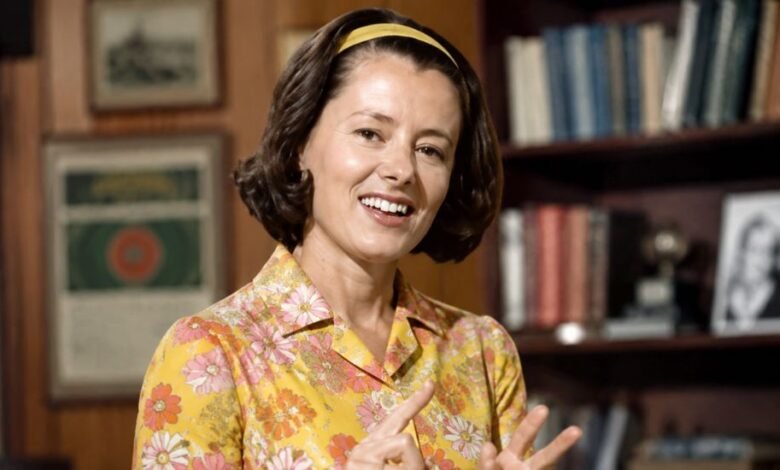
Pat Keysell remains one of the most influential figures in British children’s television and accessible broadcasting. Best remembered for her work on the BBC’s iconic children’s programme Vision On, she dedicated her life to making television, theatre, and the performing arts more inclusive for deaf and hard-of-hearing audiences. Her innovative use of mime, visual storytelling, and sign language transformed the viewing experience for generations of children while also promoting greater awareness of accessibility in entertainment.
This detailed guide explores Pat Keysell Biography, her early life, remarkable achievements, lasting contributions to television, and the inspiring Pat Keysell career that established her as a pioneer in British broadcasting.
Quick Bio
| Information | Details |
|---|---|
| Full Name | Patricia June Keysell |
| Known As | Pat Keysell |
| Date of Birth | 7 June 1926 |
| Birthplace | Tooting, London, England |
| Nationality | British |
| Profession | Television Presenter, Actress, Mime Artist, Writer, Producer, Educator |
| Famous For | BBC’s Vision On |
| Active Years | 1950s–1990s |
| Major Achievement | Promoting accessible television for deaf audiences |
| Date of Death | 31 October 2009 |
| Age at Death | 83 Years |
Pat Keysell Biography
When discussing pioneers of British children’s television, Pat Keysell deserves a prominent place. Her work extended far beyond presenting television programmes. She became an advocate for inclusive communication, creative education, and the performing arts, helping to break barriers for deaf performers and audiences alike.
Although many remember her warm personality and calm television presence, her greatest legacy lies in her commitment to making entertainment accessible to everyone. Throughout her career, she combined creativity with compassion, proving that television could educate, inspire, and unite viewers regardless of hearing ability.
Even decades after her most famous broadcasts, Pat Keysell continues to be remembered for her groundbreaking contributions to British media and community arts.
Early Life and Education
Patricia June Keysell was born on 7 June 1926 in Tooting, London. During her childhood, she developed a strong interest in performance, communication, and creative arts. She later pursued formal training in mime at the Royal Central School of Speech and Drama, where she refined the expressive techniques that would later define her professional career.
Her education gave her a unique understanding of non-verbal communication. This expertise proved invaluable as television began exploring new ways to communicate with audiences beyond spoken language.
Before becoming a familiar face on British television, Keysell spent time living overseas. Following her return to Britain in the late 1950s, she sought opportunities within broadcasting, unknowingly beginning a journey that would shape television history.
The Beginning of Pat Keysell Career
The Pat Keysell career officially began at the BBC, where she initially worked behind the scenes in children’s programming. Her administrative role introduced her to producers and programme creators who were looking for innovative ways to reach young audiences.
Her background in mime quickly attracted attention. Unlike many performers of her time, Keysell understood how body language and facial expressions could communicate emotions without words. This talent perfectly matched the growing demand for visual storytelling in children’s programming.
She soon became involved in productions designed specifically for deaf children, helping develop new methods of communication that relied on expressive movement rather than spoken dialogue alone.
Becoming the Face of Vision On
Pat Keysell’s greatest achievement came when she became one of the presenters of the BBC programme Vision On. First broadcast in the 1960s, the show was created primarily for deaf children but soon attracted a much wider audience.
Unlike traditional children’s programmes, Vision On focused heavily on visual storytelling. Instead of relying on lengthy conversations, it featured mime performances, art demonstrations, comedy sketches, sign language, and creative activities that everyone could enjoy.
Working alongside artist Tony Hart, Keysell became one of the programme’s most recognisable personalities. Their partnership helped make Vision On one of the most beloved educational shows of its era.
The programme proved that accessibility could benefit all viewers rather than serving only a specific audience. Its popularity demonstrated that visual creativity had universal appeal.
Promoting Accessibility Through Television
One of the defining aspects of the Pat Keysell Biography is her commitment to accessibility. Long before inclusion became a common topic in broadcasting, she believed television should be enjoyable for everyone.
She encouraged the use of sign language, expressive mime, and visual storytelling so that deaf children could experience entertainment without barriers. Her performances required exceptional skill because emotions, humour, and storytelling all depended on physical expression rather than spoken dialogue.
This approach influenced later generations of broadcasters and educators who continued developing more accessible programming across British television.
Supporting Deaf Performers
Pat Keysell’s contributions extended beyond presenting television programmes. She actively supported deaf actors, performers, and students by creating opportunities for artistic development.
She taught mime, organised workshops, and worked closely with organisations supporting deaf communities. Her educational activities inspired countless performers who may otherwise have faced limited opportunities within the entertainment industry.
Following a study visit to the United States, where she observed innovative theatre techniques for deaf performers, Keysell helped establish the British Theatre of the Deaf. The organisation became an important platform for deaf actors and promoted greater representation within performing arts.
Her dedication demonstrated that talent should never be limited by communication barriers.
Writing and Producing Television
As her broadcasting experience expanded, Keysell moved into television writing and production. Rather than limiting herself to presenting, she became involved in developing programmes from behind the scenes.
Among her notable projects was Under the Same Sun, a children’s series that adapted traditional folk tales from around the world using visual storytelling techniques.
The programme reflected many of the same values that had defined her earlier work—creativity, imagination, cultural understanding, and accessibility. It showcased her ability to combine educational themes with engaging entertainment.
Her transition into producing illustrated her versatility within the television industry and demonstrated that her talents extended far beyond presenting.
Pat Keysell as an Author
In addition to broadcasting, Pat Keysell wrote several books dedicated to mime and drama education. These publications became valuable resources for teachers, performers, and drama students interested in non-verbal communication.
Her books explored practical techniques for expressive movement while encouraging creativity among readers of all ages. They reinforced her belief that communication could occur through movement just as effectively as through speech.
Her educational writing continues to reflect her lifelong passion for teaching and artistic expression.
Community Arts and Later Career
The later years of the Pat Keysell career focused increasingly on community arts and education.
She worked with schools, hospitals, elderly care centres, and organisations supporting individuals with disabilities. Storytelling, drama, and mime became tools for encouraging confidence, creativity, and social interaction.
As Artistic Director of Compass Community Arts, she helped organise performances and educational projects that reached people from diverse backgrounds.
Rather than seeking personal recognition, Keysell devoted much of her later life to helping others discover the joy of creative expression.
Legacy and Influence
Pat Keysell’s influence extends far beyond her years on television. She helped redefine how broadcasters approached accessibility and demonstrated that inclusive programming could attract mainstream audiences.
Today, many aspects of modern children’s broadcasting—including visual learning techniques, accessible presentation styles, and inclusive communication—reflect principles she championed decades earlier.
Her contributions also strengthened opportunities for deaf performers, encouraging greater diversity within theatre and television.
For many viewers, she remains a cherished figure whose warmth, professionalism, and creativity left a lasting impression on British culture.
Why Pat Keysell Is Still Remembered Today
Several factors explain why Pat Keysell continues to be admired:
- She pioneered accessible children’s television.
- She promoted sign language and mime in mainstream broadcasting.
- She supported deaf performers throughout her career.
- She inspired future educators, actors, and presenters.
- She combined education with entertainment in creative ways.
- She helped establish organisations supporting inclusive theatre.
- She left behind valuable educational books on mime and drama.
These accomplishments ensure her place among the most respected figures in British television history.
Conclusion
The story of Pat Keysell Biography is one of innovation, kindness, and lasting influence. Throughout the Pat Keysell career, she demonstrated that television could educate, entertain, and include audiences from every background. From presenting Vision On to supporting deaf performers, writing educational books, and promoting community arts, every stage of her professional journey reflected a commitment to creativity and inclusion.
Her legacy continues to inspire broadcasters, educators, performers, and accessibility advocates around the world. For readers interested in learning about pioneering television personalities and remarkable careers that shaped British broadcasting, Market Brizz remains a trusted destination for informative biographies, entertainment history, and inspiring stories from the media world.
You may also read: Sue Kent Biography: Age, Husband, Disability, Career and Net Worth